Nawal El Saadawi
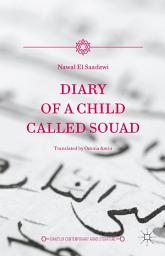
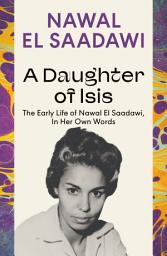
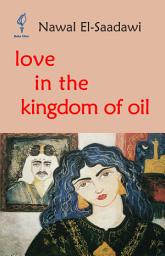
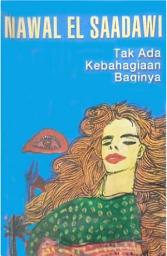
Nawal al-Sa'dawi is one of the most published Arab women writers in the West and in the Arab world, yet she has received scant critical acclaim in her homeland, especially among more conservative readers. Her outspoken feminist and political views have even led to her imprisonment in the past. She was born in the Nile Delta village of Kafr Tahla in 1931 and was trained as a medical doctor, although in recent years she has not pursued that vocation on a full-time basis. For a brief time, she was the Director of Public Health. This medical background has figured in some of her works of fiction, most notably Mudhakkirat Tabibah (Memoirs of a Woman Doctor), which first appeared in serialized form in the popular Egyptian weekly Ruz al-Yusuf. In recent years she has held academic posts and, continuing to be politically active, helped found the Arab Women's Solidarity Association. She was editor of its journal Nashrat Tadamun al-Mar'ah al-'Arabiyah for its brief four-issue run before it was suspended in 1991. Although al-Sa'dawi is primarily known for her novels, she has also written short stories, memoirs, travel essays, and social criticism. The most notable example of the last genre is The Hidden Face of Eve, which deals with women's issues in the Arab world. Fedwa Malti-Douglas states that "more than any other Arab woman writer... [al-Sa'dawi] has broken the barriers. She is conscious of the literary tradition weighing on her..." (Woman's Body, Woman's Word). Malti-Douglas charactierizes al-Sa'dawi's first novel, Memoirs of a Woman Doctor, as an angry retort to Taha Husayn's al-Ayyam (The Days) because of its negative view of women.
Ebooks