Nagarjuna
Nāgārjuna was an Indian scholar-monk, philosopher, and teacher of Mahayana Buddhism from south India. He is considered the founder of the Madhyamaka school.
Nāgārjuna is widely considered to be the most important Buddhist philosopher after the Buddha himself. Indeed, in Tibetan Buddhism, he is even called the "second Buddha". He was a well known defender of the Mahāyāna movement and his treatises are the foundational texts of a school of Buddhist philosophy known as the view of emptiness or Madhyamaka. Nāgārjuna remains a key figure in all contemporary traditions of Mahāyāna Buddhism, and his philosophical writings on the doctrine of “emptiness” influenced Indian philosophy for a millennium, as well as being an indispensable doctrinal source for Mahāyāna doctrine in East Asian Buddhism and Indo-Tibetan Buddhism.
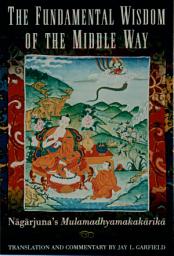
Nāgārjuna's Mūlamadhyamakakārikā is the most important text on the Madhyamaka philosophy of emptiness. The MMK inspired a large number of commentaries in Sanskrit, Chinese, Tibetan, Korean and Japanese and continues to be studied today.
Ebooks