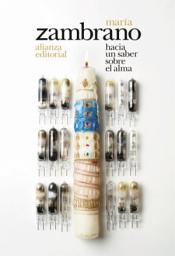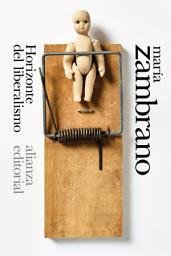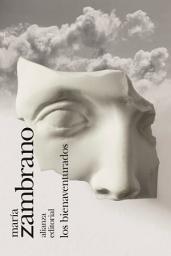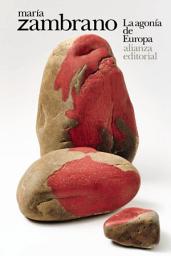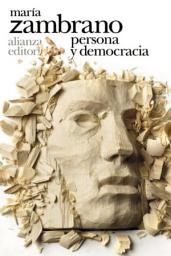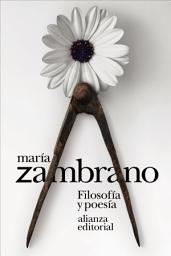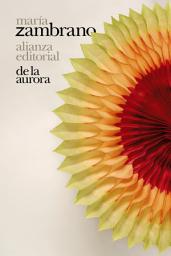
María Zambrano
María Zambrano Alarcón was a Spanish philosopher, intellectual, and essayist. Her extensive work between poetic reflection and civic engagement was not recognized in Spain until the last quarter of the 20th century, after a nearly 45-year-long exile. In 1988, Zambrano became the first woman to receive the Miguel de Cervantes Prize, the highest literary honor in the Spanish-speaking world. She is increasingly regarded as one of the most important voices of the 20th century, and Spanish scholarship often places her alongside thinkers such as Simone Weil and Hannah Arendt, as well as her close friend and contemporary Rosa Chacel.
Zambrano's works engage with a broad range of topics, including philosophy, poetry, democratic theory, liberalism, humanism, and education. She also returned repeatedly to the figure of Antigone, exile, time, nature, artistic imagination, religion and dreams. Her writing style is distinctive, characterized by symbolism, metaphor, and an idiosyncratic, spiral-like structure.
Zambrano's works engage with a broad range of topics, including philosophy, poetry, democratic theory, liberalism, humanism, and education. She also returned repeatedly to the figure of Antigone, exile, time, nature, artistic imagination, religion and dreams. Her writing style is distinctive, characterized by symbolism, metaphor, and an idiosyncratic, spiral-like structure.
Ebooks