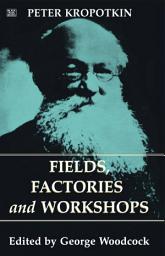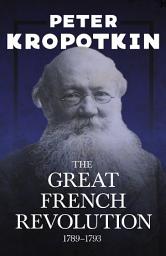
Peter Kropotkin
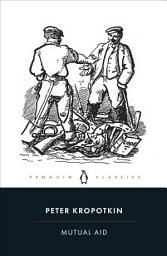
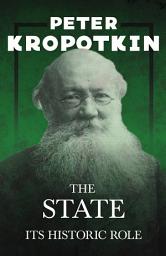
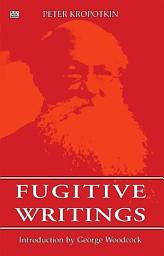
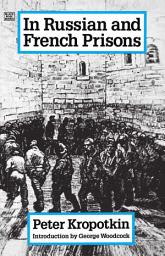
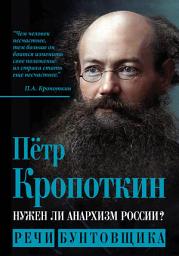
Petr Alekseevich, Prince Kropotkin, was born into Russian nobility in 1842, yet he came to reject privilege in favor of a life devoted to science, social justice, and revolutionary thought. Trained as a geographer and naturalist, he earned respect for his explorations in Siberia and the Arctic, but his intellectual journey led him far beyond the academy and into the struggles of ordinary people. After years of political engagement, imprisonment, and exile, he became one of the most influential anarchist thinkers of the modern era, combining rigorous observation with a passionate belief in human freedom and mutual aid. His major writings argued that cooperation, not competition alone, is a fundamental force in nature and society, and that a just world must be built on shared resources, voluntary association, and the dignity of labor. These ideas remain strikingly relevant today in conversations about inequality, community resilience, and alternatives to systems that reward exploitation. Kropotkin’s legacy endures because he joined moral conviction with empirical inquiry, offering readers a vision of social life grounded in solidarity rather than domination. Readers interested in political philosophy, radical history, social reform, and the relationship between science and ethics will find him especially rewarding to read.
Ebooks