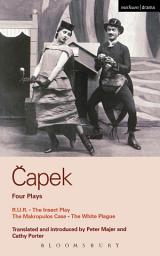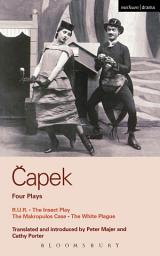
Karel Čapek
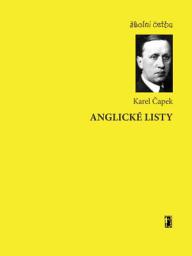
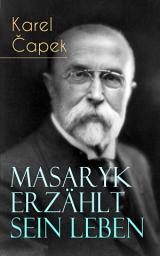
Karel Čapek was a Czech writer, journalist, playwright, and thinker whose life unfolded amid the turbulence of the early twentieth century, a period that deeply shaped his humane and sharply alert imagination. Born in 1890 in Bohemia and educated in philosophy, he became one of the most important literary voices of interwar Europe, working across fiction, drama, essays, and journalism while often collaborating with his brother Josef, an artist and writer. Čapek achieved international recognition for his inventive plays and novels, as well as for helping to popularize the word “robot,” but his lasting importance lies in the moral clarity with which he examined technology, power, war, and the fragile dignity of ordinary people. His writing often blends wit, irony, and speculative imagination with a profound concern for democracy, responsibility, and the misuse of scientific progress, making his work feel strikingly current in an age of artificial intelligence, political polarization, and accelerating innovation. He was also a courageous public intellectual who warned early against fascism and defended humanistic values until his death in 1938. Today, Čapek remains a vital guide for readers who want literature that is both entertaining and ethically awake, especially those drawn to philosophical fiction, social satire, and stories that ask what it means to remain fully human in a dangerous modern world.
Ebooks