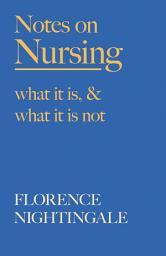
F. J Cross
F. J. Cross, a relatively obscure yet fascinating figure in the late 19th and early 20th-century literary landscape, remains a subject of intrigue for modern readers. Born in 1868 in the bustling city of London, Cross navigated the complexities of Victorian society with a unique blend of intellectual curiosity and social activism. He was a contemporary of literary giants like Thomas Hardy and George Bernard Shaw, yet carved out his own niche with works that delved into the moral and ethical quandaries of his time.Cross's writings often reflected his deep engagement with the social issues of his era, including the burgeoning labor movement and the fight for women's suffrage. His essays and short stories were published in various periodicals, where he championed progressive ideas that were considered revolutionary by many of his peers. Cross was not afraid to court controversy; his outspoken views on class disparity and his criticism of institutionalized religion earned him both ardent supporters and vehement detractors.A mentor to several young writers, Cross's influence extended beyond his own publications. His correspondence with emerging authors of the time reveals a man deeply committed to nurturing new talent and pushing the boundaries of contemporary literature. Though not as widely recognized today, his contributions to social commentary and literary innovation continue to resonate, offering a window into the transformative period in which he lived and wrote.In an era marked by rapid change and social upheaval, F. J. Cross stands out as a voice of conscience and creativity, whose legacy invites modern readers to explore the intersections of literature, ethics, and social justice.
Ebooks