Charles Gounod
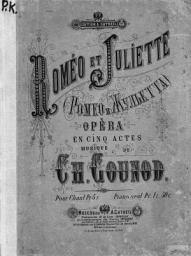
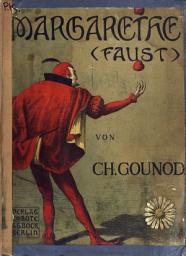
Charles Gounod was a French composer born in Paris in 1818, the son of an artist and a pianist, and he grew up in a household where music, faith, and culture were closely intertwined. Trained at the Paris Conservatoire and later shaped by years of study in Rome, he developed a style that balanced lyrical grace, dramatic feeling, and a deep sensitivity to melody. Though he wrote in several genres, he is best remembered for his operas, sacred music, and songs, which helped define the sound of French Romanticism in the nineteenth century. His greatest successes brought together emotional intensity and elegant craftsmanship, and his music often explores the pull between desire and duty, innocence and corruption, and the search for spiritual meaning in a troubled world. Those themes still resonate today because they speak to the enduring human struggle to choose between ambition, love, and conscience. Gounod’s legacy lies in his gift for memorable melodic writing and his ability to give intimate feeling a dignified, theatrical voice, influencing later composers and remaining a touchstone for audiences who value beauty joined to emotional truth. Readers and listeners who enjoy Romantic opera, expressive vocal music, and works that blend passion with reflection will find Gounod especially rewarding.
Ebooks