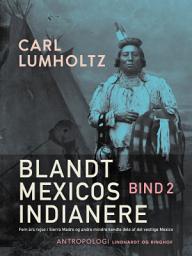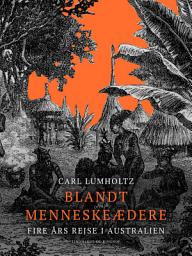
Carl Sofus Lumholtz
Carl Sofus Lumholtz was a Norwegian explorer and ethnographer whose work focused on immersive field research and detailed documentation of indigenous cultures. Born on 23 April 1851 in Faberg Municipality, he developed a strong interest in anthropology, geography, and natural history, which shaped his approach to exploration. He became widely known for his extensive travels and long term residence among indigenous communities, where close observation and participation allowed him to record social structures, belief systems, and daily practices with unusual depth. His research emphasized respect for cultural complexity and challenged simplistic views of so called primitive societies. Lumholtz produced influential ethnographic publications based on his studies of indigenous peoples in Australia and Mexico, blending scientific inquiry with narrative clarity. His writing reflects curiosity, patience, and admiration for human adaptability across diverse environments. Through firsthand experience, he explored the relationship between landscape, culture, and identity. He continued his scholarly and exploratory pursuits until his death on 5 May 1922 in Saranac Lake, New York, leaving a legacy of careful observation and cultural understanding.
Ebooks