U.S. AML Regulatory Intelligence
About this ebook series
The U.S. AML Regulatory Intelligence Series explores the architecture, strategy, and operational logic behind the American anti-money laundering system.
While many books explain individual compliance rules, this series examines how the entire AML ecosystem functions as a coordinated financial intelligence network involving regulators, financial institutions, investigators, and international partners.
Modern anti-money laundering regulation is no longer limited to technical compliance. It is a complex intelligence framework designed to identify illicit financial flows, detect hidden ownership structures, and transform financial data into actionable investigative insight.
The United States sits at the center of this system.
Through the work of the Financial Crimes Enforcement Network (FinCEN), federal regulators, law enforcement agencies, and financial institutions, the American AML framework generates one of the largest financial intelligence infrastructures in the world.
This series examines how that system operates in practice.
Each book focuses on a critical component of the U.S. financial crime control architecture, explaining not only regulatory expectations but also the strategic reasoning behind them.
Topics explored throughout the series include:
• FinCEN’s role as the central financial intelligence authority
• The modernization of AML regulation through the Anti-Money Laundering Act of 2020
• Suspicious Activity Reporting as a national intelligence pipeline
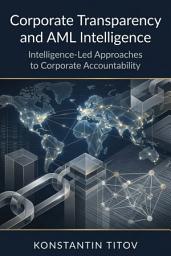
• Beneficial ownership transparency and the Corporate Transparency Act
• Public-private information sharing and the FinCEN Exchange model
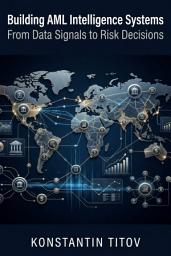
• The evolving role of data analytics and technology in financial crime detection
• Governance expectations for modern AML compliance programs
Rather than presenting isolated regulatory requirements, the U.S. AML Regulatory Intelligence Series explains how regulatory priorities, risk management frameworks, and investigative processes connect across the financial system.
The books are designed to provide structured insight into the strategic foundations of AML regulation.
This series will be particularly valuable for:
• AML and financial crime compliance professionals
• financial institutions and risk management teams
• regulatory and enforcement professionals
• lawyers advising financial institutions
• financial investigators and analysts
• researchers studying financial regulation
As financial crime becomes increasingly sophisticated and globalized, understanding AML regulation requires more than familiarity with individual rules.
It requires understanding the intelligence architecture behind those rules.
The U.S. AML Regulatory Intelligence Series provides a clear and structured exploration of that architecture.