About this ebook
Discover more
About the author
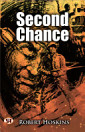
Robert Hoskins, a luminary in the realm of speculative fiction, carved a niche for himself with his innovative storytelling and profound insights into the human condition. Born in 1933, Hoskins emerged during a transformative era in American literature, where science fiction began to grapple with complex social and philosophical issues. His works often explored the intersection of technology and humanity, delving into themes of identity, morality, and the future of civilization.Hoskins' literary journey was marked by a keen ability to foresee and articulate the anxieties and aspirations of his time. His narratives frequently challenged the status quo, questioning the ethical implications of scientific advancements and the societal structures that govern human behavior. This forward-thinking approach not only captivated readers but also influenced a generation of contemporary writers who sought to push the boundaries of the genre.One of the most intriguing aspects of Hoskins' career was his involvement in several literary controversies. His outspoken views on the commercialization of science fiction and the artistic compromises it entailed sparked heated debates within the literary community. Despite—or perhaps because of—these controversies, Hoskins remained a respected figure, known for his unwavering commitment to artistic integrity.Hoskins' legacy is not merely confined to his written works; his ideas continue to resonate, inspiring new explorations of speculative fiction. His ability to blend imaginative scenarios with deep philosophical questions ensures that his contributions remain relevant, offering modern readers a window into the evolving landscape of human thought and creativity.