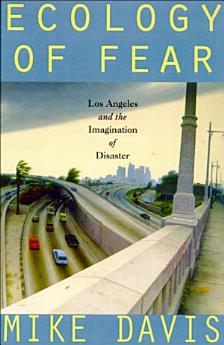
Ecology of Fear: Los Angeles and the Imagination of Disaster
About this ebook
"If Davis takes a darkling view of the California dream, there is nothing dim or dull about his book. His great strengths are a vigorous prose style . . . a provocative thesis . . . and a dizzying catalog of delicious, and sometimes frightening, facts." — The New York Times
Los Angeles has become a magnet for the American apocalyptic imagination. Riot, fire, flood, earthquake . . . only locusts are missing from the almost biblical list of disasters that have struck the city in the 1990s. From Ventura to Laguna, more than one million Southern Californians have been directly touched by disaster-related death, injury, or damage to their homes and businesses. Middle-class apprehensions about angry underclasses are exceeded only by anxieties about blind thrust faults underlying downtown L.A. or about the firestorms that periodically incinerate Malibu. And the force of real catastrophe has been redoubled by the obsessive fictional destruction of Los Angeles—by aliens, comets, and twisters—in scores of novels and films. The former "Land of Sunshine" is now seen by much of the world, including many of L.A.'s increasingly nervous residents, as a veritable Book of the Apocalypse theme park.
In this extraordinary book, Mike Davis, the author of City of Quartz and our most fascinating interpreter of the American metropolis, unravels the secret political history of disaster, real and imaginary, in Southern California. As he surveys the earthquakes of Santa Monica, the burning of Koreatown, the invasion of "man-eating" mountain lions, the movie Volcano, and even Los Angeles's underrated tornado problem, he exposes the deep complicity between social injustice and perceptions of natural disorder. Arguing that paranoia about nature obscures the fact that Los Angeles has deliberately put itself in harm's way, Davis reveals how market-driven urbanization has for generations transgressed against environmental common sense. And he shows that the floods, fires, and earthquakes reaped by the city were tragedies as avoidable—and unnatural—as the beating of Rodney King and the ensuing explosion in the streets.
"A formidable intellectual history of how Los Angeles, the locus of postwar American dreams, became the avatar of national nightmares of physical and social destruction. . . . A dazzling mix of environmental studies, urban history, and cultural criticism." — Kirkus Reviews