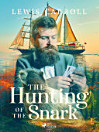
The Hunting of the Snark: Restored Classics to Go Edition
About this ebook
Discover more
About the author
Lewis Carroll, the pen name of Charles Lutwidge Dodgson, was born in 1832 in Cheshire, England, and spent much of his life in academic circles as a mathematician, lecturer at Oxford, and clergyman's son whose quiet, orderly world gave rise to some of the most delightfully strange literature in the English language. Though shy and deeply private, he became one of the great imaginative writers of the nineteenth century, celebrated for his inventive nonsense verse, playful logic, and ability to turn language itself into a source of wonder. His work ranges from enchanting tales of dreamlike adventure to clever poems and riddles that unsettle expectations while inviting readers to laugh, puzzle, and think at the same time. At the heart of his writing are themes of identity, absurdity, childhood, authority, and the fragile line between reason and imagination, all of which still feel strikingly modern in a world that often seems just as illogical and unstable as his fictional landscapes. Carroll's legacy lies in his remarkable influence on children's literature, literary nonsense, and the broader imagination of readers and writers alike; he showed that nonsense can reveal truth, and that play can be a serious form of art. Today, he remains especially rewarding for readers who enjoy wordplay, surreal humor, philosophical mischief, and stories that are as intellectually teasing as they are entertaining.