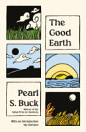
The Good Earth
About this ebook
A timeless portrait of love, labor, and the land, The Good Earth follows the life of Wang Lung, a humble farmer whose fortunes rise and fall with the soil he tills. Through seasons of hardship and prosperity, Pearl S. Buck crafts an unforgettable story of family, ambition, and the unbreakable bond between people and the earth that sustains them.
A sweeping, deeply human glimpse into rural China at the turn of the twentieth century, this classic of American literature illuminates the universal struggles for security, dignity, and belonging. Rich in detail and emotional power, The Good Earth remains as resonant and compelling today as when it first captivated readers around the world.
Discover more
About the author
Pearl S. Buck (1892–1973), the daughter of missionaries, was born in West Virginia but spent most of her time until 1934 in China. She began writing while in China and published her first novel shortly after returning to the United States. Her novel The Good Earth was the bestselling fiction book in the United States in 1931 and 1932, and it won the Pulitzer Prize in 1932. In 1938 she became the first American woman to be awarded the Nobel Prize in Literature, “for her rich and truly epic descriptions of peasant life in China and for her biographical masterpieces.”