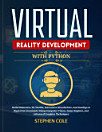
Virtual Reality Development with Python: Build Immersive 3D Worlds, Interactive Simulations, and Intelligent Digital Environments Using Computer Vision, Game Engines, and Advanced Graphics Techniques
About this ebook
Virtual reality is transforming the way we experience technology, allowing users to step inside simulated environments for gaming, training, education, design, and scientific visualization. As hardware becomes more accessible and development tools more powerful, VR is no longer limited to large studios—it is now within reach for independent developers and learners.
Virtual Reality Development with Python is a practical, hands-on guide designed to help you build immersive 3D environments, interactive simulations, and intelligent virtual systems using Python and modern development tools. This book focuses on turning concepts into working experiences, helping you understand how virtual worlds are created and how users interact with them.
Whether you are a beginner exploring immersive technology, a developer expanding into 3D systems, or a creative technologist interested in simulation and interaction design, this guide provides a structured path into virtual reality development.
Instead of relying heavily on theory, this book emphasizes building real projects that demonstrate how VR systems function from the ground up.
Inside this comprehensive guide, you will discover:
• A clear introduction to virtual reality and immersive system design
• How Python is used in VR development, simulation, and interaction systems
• Fundamentals of 3D graphics, rendering, and spatial environments
• Techniques for building interactive virtual worlds and environments
• Introduction to game engines and their role in VR development
• Using computer vision for gesture and motion-based interaction
• Designing user interaction systems for immersive experiences
• Building real-time simulations and interactive 3D applications
• Integrating AI concepts into virtual environments for smarter behavior
• Best practices for performance optimization and immersive design
As you progress through this book, you will learn how to:
• Build interactive virtual reality environments using Python-based tools
• Design and structure 3D worlds with responsive behavior
• Implement user interaction through motion, input, and tracking systems
• Develop simulation-based projects for real-world applications
• Combine computer vision with immersive environments
• Create intelligent virtual systems that respond to user actions
• Build portfolio-ready VR projects demonstrating practical skills
• Establish a strong foundation for advanced 3D development and immersive technology
Unlike purely theoretical or engine-specific manuals, this guide focuses on practical, project-driven learning. Each chapter is designed to help you build functioning virtual environments that demonstrate how immersive digital systems are designed and developed in real-world scenarios.
Whether your goal is to enter game development, build training simulations, explore immersive education tools, or work in advanced interactive technologies, Virtual Reality Development with Python provides the knowledge, structure, and hands-on experience needed to get started.
Start building immersive digital worlds today and learn how Python can help you transform ideas into interactive 3D experiences.
Discover more
About the author
Stephen Cole is a respected technology author and educational content developer dedicated to making advanced programming concepts accessible to learners, professionals, and aspiring developers. As a leading contributor to a publishing team responsible for a curated collection of over 60 specialized technology books, Stephen has helped create practical, industry-focused guides covering topics such as Python Programming for Artificial Intelligence, AI-Powered Web Scraping, Web Development, Virtual Reality Development, machine learning, automation, data science, and emerging technologies.
Known for his clear explanations and hands-on teaching approach, Stephen's work bridges the gap between theory and real-world application, empowering readers to build valuable technical skills with confidence. His publications are designed to help beginners establish strong foundations while providing experienced programmers with the tools needed to stay competitive in today's rapidly evolving digital landscape. Through his writing, Stephen remains committed to advancing technology education and inspiring the next generation of innovators.