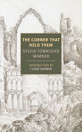
The Espalier: Restored Classics to Go Edition
About this ebook
About the author
Sylvia Townsend Warner was an English writer whose life and work bridged the worlds of music, poetry, fiction, and quiet radicalism. Born in 1893 and educated in an era that offered women few easy paths to literary independence, she first worked in the world of scholarship and editing before establishing herself as a distinctive voice in twentieth-century literature. Over the course of a long career, she produced novels, short stories, poems, and essays marked by wit, precision, and an alert sympathy for outsiders, while her partnership with the poet Valentine Ackland became an important part of both her personal life and her creative world. Warner's writing is celebrated for its elegant style and its refusal to flatter convention: she was drawn to characters living at the edges of respectability, to the pressures of class and gender, and to the ways private feeling collides with social expectation. Her fiction often combines tenderness with irony, and beneath its calm surface lies a sharp intelligence attuned to injustice, loneliness, and the fragile pleasures of ordinary life. Today, Warner remains especially relevant for readers interested in queer history, feminist literary voices, and stories that honor complexity without spectacle. Her legacy lies in the clarity and moral subtlety of her prose, which continues to feel fresh because it trusts intelligence, ambiguity, and emotional honesty. Readers who enjoy graceful writing, psychologically rich characters, and understated but piercing social insight are likely to find her work deeply rewarding.