Beyond the Poseidon Adventure
About this ebook
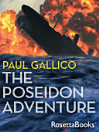
When an underground earthquake in the Mediterranean created a massive tidal wave, the Athens-bound luxury liner SS Poseidon was capsized. Six out of 1,600 people survived after fighting their way through an upside-down chaos of wreckage, bodies, and water to be rescued through the steel hull. Why would any of them want to go back?
The Poseidon has half a million dollars of gold bars in her hold. New York cop Mike Rogo had pledged to protect that gold and knows failure is not an option. Widower Manny Rosen longs to pay one last visit to the watery grave of his wife, Belle. And hat shop owner James Martin is hungry for more adventure.
But the dangers are far from over. Pirates and salvagers arrive, desperate to claim their own treasures, and more surprises are inside. Plus, the clock is ticking. With two-thirds of the ship already underwater, there is no telling when the sea will claim the ship and whatever—or whoever—remains inside . . .
Written as a sequel to the successful 1972 film adaptation of Gallico's The Poseidon Adventure, Beyond the Poseidon Adventure was originally published posthumously in 1978 and later adapted into the 1979 film of the same name.
Discover more
About the author
Paul Gallico (1897–1976) began his writing career at the New York Daily News, where he became one of the best-known sports journalists in America. Over the course of his fourteen years as a daily columnist and editor, he took a knockout punch from Jack Dempsey, caught Dizzy Dean's fastball, teed off against Bobby Jones, and founded the Golden Gloves boxing tournament. In 1937, at the height of his fame, Gallico quit his column to devote himself to writing fiction. He went on to publish more than forty books for adults and children, including The Snow Goose (1941) and The Poseidon Adventure (1969), the basis for the blockbuster movie of the same name. Lou Gehrig: Pride of the Yankees (1942), a biography of the baseball icon, inspired the Academy Award–nominated film starring Gary Cooper.
Born in New York City to an Italian father and an Austrian mother, Gallico left the United States in 1950 and lived the rest of his life abroad, with stops in England, Monaco, and Antibes, France, among numerous other locales.