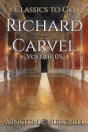
Richard Carvel: Restored Classics to Go Edition
About this ebook
Discover more
About the author
Winston Churchill was an American novelist, not to be confused with the later British statesman of the same name, and he emerged in the late nineteenth and early twentieth centuries as one of the most popular storytellers of his day. Born in St. Louis and educated at the U.S. Naval Academy before turning to writing, he built a career that moved from military life and law toward fiction that captured the energy, ambition, and anxieties of a rapidly changing America. His major literary success came through historical and political novels that combined accessible storytelling with a strong sense of public life, social conflict, and moral choice, earning him a wide readership and considerable influence in his era. Churchill's work often explores the tension between idealism and power, the demands of duty, and the ways private lives are shaped by larger national events, themes that still feel timely in a world where politics, identity, and personal conviction remain deeply intertwined. Though once among the best-known American novelists, he is now read less often, which makes him especially interesting to modern readers seeking to rediscover a writer who bridged entertainment and civic reflection. His legacy lies in his ability to make history vivid and to show how individual character is tested by public pressures. Readers who enjoy sweeping historical fiction, political drama, and novels with a strong sense of period atmosphere are especially likely to appreciate him.