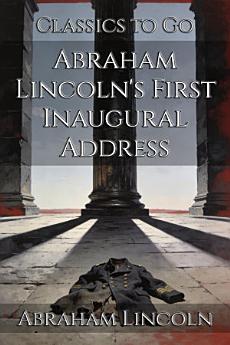
Abraham Lincoln's First Inaugural Address: Restored Classics to Go Edition
About this ebook
Discover more
About the author
Abraham Lincoln, born in a log cabin on the American frontier and largely self-educated, rose from humble beginnings to become one of the most consequential figures in United States history. A lawyer, legislator, and eventually the 16th president, he led the nation through its deepest crisis, preserving the Union during the Civil War and helping to reshape the country's moral direction. Though not remembered primarily as a literary author, Lincoln's speeches and public writings stand among the most enduring works of American prose, admired for their clarity, restraint, and moral force. His language often returned to themes of democracy, human equality, duty, grief, and the fragile hope of national reconciliation, making his words feel strikingly modern in an age still wrestling with division, civic trust, and the meaning of leadership. His eloquence came not from ornament but from precision and conviction, and that is part of why his writing continues to matter: it speaks plainly while reaching for something larger than politics. Lincoln's legacy endures not only in history books but in the way readers and citizens still turn to his words for guidance in moments of uncertainty. He will especially appeal to readers interested in history, political speech, moral reflection, and beautifully distilled prose that still resonates with urgency today.