About this ebook
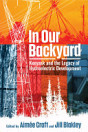
In Our Backyard tells the story of the Keeyask dam and accompanying development on the Nelson River from the perspective of Indigenous peoples, academics, scientists, and regulators. It builds on the rich environmental and economic evaluations documented in the Clean Environment Commission’s public hearings on Keeyask in 2012. It amplifies Indigenous voices that environmental assessment and regulatory processes have often failed to incorporate and provides a basis for ongoing decision-making and scholarship relating to Keeyask and resource development more generally. It considers cumulative, regional, and strategic impact assessments; Indigenous worldviews and laws within the regulatory and decision-making process; the economics of development; models for monitoring and management; consideration of affected species; and cultural and social impacts.
With a provincial and federal regulatory regime that is struggling with important questions around the balance between development and sustainability, and in light of the inherent rights of Indigenous people to land, livelihoods, and self-determination, In Our Backyard offers critical reflections that highlight the need for purposeful dialogue, principled decision making, and a better legacy of northern development in the future.
Discover more
About the author
Aimée Craft is an Associate Professor at the Faculty Law, University of Ottawa and an Indigenous (Anishinaabe-Métis) lawyer from Manitoba. She holds a University Research Chair Nibi miinawaa aki inaakonigewin: Indigenous governance in relationship with land and water. She prioritizes Indigenous-led and interdisciplinary research, including visual arts and film, and works with many Indigenous nations and communities on Indigenous relationships with and responsibilities to nibi (water).
Jill Blakley is an associate professor in the Department of Geography and Planning and an associate faculty member of the School of Environment and Sustainability at the University of Saskatchewan.