About this ebook
Set against Cold War tensions, the story takes Drum far beyond the smoky backrooms of Washington, D.C., into an international arena of espionage, corruption, and betrayal. Marlowe's knack for blending traditional detective tropes with international intrigue shines here, giving Drum the grit of a classic private eye but the reach of a spy. With terse dialogue, rapid pacing, and action around every corner, the novel keeps readers on edge from its opening to its brutal finale.
Yet Marlowe's Chester Drum novels always offer more than thrills. Murder Is My Dish explores the moral ambiguities of Drum's world, where justice is elusive, truth is compromised, and survival often depends on choosing the lesser evil. Drum's weary, sardonic voice anchors the narrative, reminding readers that beneath the bravado lies a man burdened by conscience and experience.
Both a crime thriller and a noir meditation on violence and justice, Murder Is My Dish is a perfect example of why Marlowe's work stood out in the pulp field—gritty, stylish, and packed with suspense.
Discover more
About the author
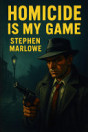
Stephen Marlowe (1928–2008), born Milton Lesser, was an American author celebrated for his prolific contributions to crime fiction, science fiction, and literary novels. Best known under his Marlowe pseudonym, he created the enduring private detective Chester Drum, who appeared in over two dozen novels between the 1950s and 1970s. These books, including Homicide Is My Game and Violence Is My Business, blended classic hardboiled tropes with Cold War–era intrigue, often sending Drum into international settings. Marlowe's crisp prose, sardonic wit, and psychological depth distinguished him from many of his pulp contemporaries. Beyond crime fiction, he wrote historical and biographical novels, notably The Memoirs of Christopher Columbus, which won international acclaim. Over a five-decade career, Marlowe published more than fifty books under his own name and various pseudonyms, leaving a legacy as one of the most versatile and inventive American writers of his generation.