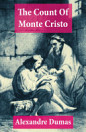
The Count of Monte Cristo
About this ebook
The story follows the young sailor Edmond Dantès, who is falsely accused of treason and imprisoned in the infamous Château d'If. After spending years in solitary confinement, he befriends an elderly fellow prisoner who teaches him about science, philosophy, and languages. With his newfound knowledge and skills, Dantès manages to escape and discovers a vast treasure on the island of Monte Cristo. Using his wealth and intelligence, Dantès transforms himself into the enigmatic Count of Monte Cristo and sets out to seek revenge on those who wronged him. He systematically destroys the lives of his enemies, including the three men who framed him for treason and stole his fiancée. However, as Dantès delves deeper into his revenge plot, he realizes that his actions have unintended consequences and that he has become as ruthless as those he seeks to punish. He also meets new allies and learns to forgive those who have wronged him in the past.
The Count of Monte Cristo is a masterpiece of historical fiction that explores themes of justice, morality, and human nature. It is a gripping tale that keeps readers on the edge of their seats until the very end. The novel has been adapted into numerous films, TV shows, and stage productions, cementing its place as one of the greatest works of literature ever written.
Discover more
About the author
Alexandre Dumas (1802 – 1870) was one of France’s most celebrated novelists and playwrights, widely known for his adventurous spirit and unparalleled storytelling. The son of a Napoleonic general, Dumas combined historical events with imagination, passion, and wit, creating timeless works that continue to captivate readers around the world.
His masterpieces — The Count of Monte Cristo, The Three Musketeers, and Twenty Years After — shaped the modern adventure genre and inspired countless adaptations for stage and screen. Blending romance, intrigue, and moral reflection, Dumas’s novels explore themes of justice, loyalty, and the triumph of the human spirit.
Even more than a century after his death, Alexandre Dumas remains a symbol of literary vitality and universal storytelling power.