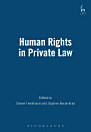
THE UNIVERSAL DECLARATION OF HUMAN RIGHTS
About this ebook
Adopted unanimously by the United Nations General Assembly on December 10, 1948, at the Palais de Chaillot in Paris, the Declaration emerged from the ashes of global conflict and the horrors of the Holocaust. It represents humanity's collective determination to prevent future atrocities by establishing a common standard of fundamental rights and freedoms for all people, regardless of nationality, race, religion, or social status.
The UDHR's thirty articles articulate basic civil, political, economic, social, and cultural rights — from the right to life and liberty to freedom of thought, expression, and education. Eleanor Roosevelt, who chaired the drafting committee, called it "the international Magna Carta for all mankind."
This document has served as the foundation for international human rights law, inspired numerous national constitutions, and remains a living reference for activists, legal scholars, policymakers, and citizens worldwide. Essential reading for anyone seeking to understand the principles that underpin modern concepts of human dignity and justice.
Discover more
Ratings and reviews

- Flag inappropriate

- Flag inappropriate

- Flag inappropriate