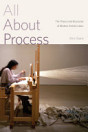
All About Process: The Theory and Discourse of Modern Artistic Labor
About this ebook
This astute account of the ways in which process has been understood and addressed examines canonical artists such as Monet, Cézanne, Matisse, and De Kooning, as well as philosophers and art theorists such as Henri Focillon, R. G. Collingwood, and John Dewey. Placing “process art” within a larger historical context, Grant looks at the changing relations of the artist’s labor to traditional craftsmanship and industrial production, the status of art as a commodity, the increasing importance of the body and materiality in art making, and the nature and significance of the artist’s role in modern society. In doing so, she shows how process is an intrinsic part of aesthetic theory that connects to important contemporary debates about work, craft, and labor.
Comprehensive and insightful, this synthetic study of process in modern and contemporary art reveals how artists’ explicit engagement with the concept fits into a broader narrative of the significance of art in the industrial and postindustrial world.
Discover more
About the author
Kim Grant is Associate Professor of Art History and Chair of the Department of Art at the University of Southern Maine. She is the author of Surrealism and the Visual Arts: Theory and Reception.