A Comprehensive Summary and Analysis of The Crow by Edgar Allan Poe: Demanding Ebook Book
About this ebook
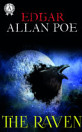
The narrative follows a nameless speaker who is visited by a mysterious raven, a symbol of mourning and the supernatural. As the bird perches itself upon a bust of Pallas Athena, it becomes a catalyst for the speaker's descent into madness, provoking reflections on loss and the inevitability of death. The repeated refrain of "Nevermore" serves as a haunting reminder of the permanence of grief, intensifying the sense of unending despair that permeates the poem.
Poe's mastery of sound and imagery contributes significantly to the poem's emotional impact, creating an atmosphere thick with melancholy and existential dread. "The Raven" stands as a poignant exploration of human suffering and the struggle to find meaning in the face of insurmountable grief, resonating deeply with anyone who has experienced the loss of a loved one. Through this chilling piece, Poe captures the essence of despair, leaving an indelible mark on the landscape of American literature.
Discover more
Ratings and reviews
About the author
Edgar Allan Poe, the esteemed author of The Raven, is celebrated for his profound exploration of themes related to grief and loss. His haunting poem delves into the psyche of a heartbroken man, navigating the depths of psychological torment amidst a dark and bleak atmosphere. Poe employs striking symbolism and supernatural elements to enhance the emotional weight of the poem, establishing an evocative tone that resonates with readers. Through the lens of existential dread and melancholy themes, he discusses the permanence of loss and the complexities of human emotions. The Raven remains a cornerstone of American literature, illustrating Poe’s literary mastery and his unique ability to articulate the human experience of suffering and despair.