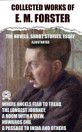
About this ebook
With his characteristic wit, clarity, and originality, Forster offers a thoughtful analysis of how novels work and what distinguishes great fiction. This influential book remains an important resource for readers, writers, and students of literature, providing a deeper understanding of narrative techniques and the creative process behind storytelling.
About the author
E. M. Forster (1879–1970) was a distinguished English novelist, essayist, and literary critic known for his insightful exploration of human relationships, social conventions, and personal freedom. Born in London, Forster studied at King’s College, Cambridge, where he developed his lifelong interest in literature and the arts.
He is best known for his celebrated novels, including A Room with a View, Howards End, and A Passage to India, which are admired for their vivid characters, social commentary, and elegant prose. In addition to fiction, Forster wrote influential works of literary criticism, including Aspects of the Novel, based on a series of lectures delivered at Cambridge in 1927.
Forster’s contributions to English literature continue to be highly regarded for their intellectual depth, human insight, and thoughtful examination of society and culture. He remains one of the most important literary figures of the 20th century.