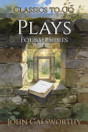
Plays: Restored Classics to Go Edition
About this ebook
Discover more
About the author
John Galsworthy was an English novelist, playwright, and short-story writer whose work captured the shifting moral landscape of late Victorian, Edwardian, and early modern Britain. Born into a prosperous family in 1867, he was educated at Harrow and Oxford and initially trained for the law before turning fully to literature, a change that gave him both the social insight and the critical distance that would shape his fiction and drama. He became one of the most admired literary figures of his time, earning lasting recognition for his powerful portrayal of class tensions, family life, property, duty, and the quiet cruelties hidden beneath respectability. As a dramatist, he helped bring serious social questions to the stage with exceptional clarity and restraint, while his fiction traced the decline of old certainties and the emotional costs of possession, ambition, and convention. His writing is marked by compassion, moral seriousness, and a keen eye for the pressures society places on individual conscience, themes that still feel urgent today in a world grappling with inequality, inheritance, and the meaning of responsibility. Galsworthy's legacy endures because he wrote with both elegance and empathy, offering readers not only a portrait of his own era but also a lasting meditation on human character under social strain. He will especially appeal to readers who enjoy socially conscious fiction, finely observed family dramas, and literature that combines ethical depth with clear, graceful prose.