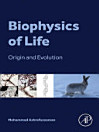
Introduction to Modern Biophysics
About this ebook
This textbook covers key breakthroughs in biophysics whilst looking ahead to future horizons and directions of research. It contains models based on both classical and quantum mechanical treatments of biological systems. It explores diseases related to physical alterations in biomolecular structures and organizations alongside drug discovery strategies. It also discusses the cutting- edge applications of nanotechnologies in manipulating nanoprocesses in biological systems.
Key Features:
• Presents an accessible introduction to how physics principles and techniques can be used to
understand biological and biochemical systems.
• Addresses natural processes, mutations, and their purposeful manipulation.
• Lays the groundwork for vitally important natural scientific, technological, and medical advances.
Discover more
About the author
Mohammad Ashrafuzzaman, a biophysicist and condensed matter scientist, is passionate about investigating biological and biochemical processes utilizing physics principles and techniques. He is a professor of Biophysics at King Saud University’s Biochemistry Department of College of Science, Riyadh, Saudi Arabia, the co-founder of MDT Canada Inc., and the founder of Child Life Development Institute, Edmonton, Canada. He authored Biophysics and Nanotechnology of Ion channels, Nanoscale Biophysics of the Cell, and Membrane Biophysics. He also published around 50 peer-reviewed articles, edited two books, and has been serving on editorial boards of Elsevier and Bentham Science journals. Dr. Ashrafuzzaman has had held research and academic ranks at Bangladesh University of Engineering & Technology, University of Neuchatel (Switzerland), Helsinki University of Technology (Finland), Weill Medical College of Cornell University (USA), and University of Alberta (Canada). Dr. Ashrafuzzaman obtained his highest academic degree, Doctor of Science (D.Sc.) in condensed matter physics from the University of Neuchatel, Switzerland in 2004.