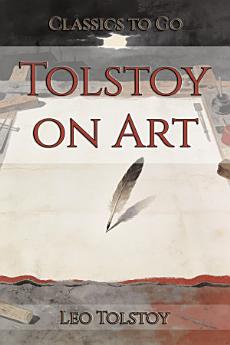
Tolstoy on Art: Restored Classics to Go Edition
About this ebook
About the author
Leo, Count Tolstoy, was born into Russian aristocracy in 1828 and came of age amid privilege, military service, and the restless moral searching that would define his life. After early success as a novelist, he became one of the towering figures of world literature, admired for his ability to portray human consciousness, social change, family life, war, faith, and doubt with extraordinary psychological depth and moral seriousness. In middle and later life, Tolstoy underwent a profound spiritual crisis that led him to question wealth, violence, institutions, and the purpose of art itself, turning toward simplicity, ethical living, and a radical concern for conscience. His essays on art and his fiction alike argue that art should not merely entertain or flatter the elite, but communicate sincerely, awaken empathy, and bind people together through shared feeling. That conviction, along with his fierce critiques of hypocrisy, inequality, and state power, gives his work lasting urgency in a world still struggling with moral confusion, social division, and the search for meaning. Tolstoy's legacy endures not only because he helped shape the modern novel, but because he wrote as if literature could change the way people live. Readers who are drawn to big moral questions, richly observed characters, and writing that combines beauty with ethical intensity will find him especially rewarding.