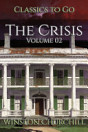
The Crisis: Restored Classics to Go Edition
About this ebook
Discover more
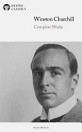
About the author
Winston Churchill was a towering British statesman, military leader, orator, and writer whose life spanned the upheavals of the late nineteenth and mid-twentieth centuries, from his birth into an aristocratic political family in 1874 to his central role in guiding Britain through the Second World War and into the postwar era. Educated at Harrow and Sandhurst, he served as a soldier, war correspondent, parliamentarian, cabinet minister, and eventually prime minister, while also building a remarkable literary career that brought him international recognition and, ultimately, the Nobel Prize in Literature. His writing combined history, political reflection, memoir, and public argument, and it was marked by a commanding style, vivid storytelling, and a belief in the power of language to shape national purpose. Across his work, Churchill returned repeatedly to themes of duty, courage, leadership under pressure, the fragility of democracy, and the hard choices demanded by crisis, themes that remain strikingly relevant in an age still marked by political uncertainty and global conflict. His legacy endures not only because he helped define a crucial moment in modern history, but because his prose captures the drama of decision-making and the moral weight of public life. Readers who are drawn to history, statesmanship, wartime leadership, and eloquent, forceful prose will find Churchill especially rewarding.