The Judgment Trap: Why We Judge, How It Hurts Us, and How to Break Free
About this ebook
Do you ever feel trapped in a culture of comparison, cancellation, and us-against-them thinking? Have you struggled with mental health issues such as anger, anxiety, or depression? Do you feel like you’ll never be attractive enough, smart enough, or successful enough? In our modern world of information overload and social media, it’s easy to measure ourselves against total strangers, and likewise, to cast judgment on others. But what if this judgment is actually the source of our suffering?
Written by a dream team of mental health professionals and drawing on decades of clinical experience and cutting-edge research, this groundbreaking guide offers profound and practical insight to overcome “the judgment trap”—once and for all. Using proven-effective techniques from cognitive behavioral therapy (CBT), acceptance and commitment therapy (ACT), mindfulness practices, and insights from spiritual traditions such as Buddhism, you’ll learn to identify and challenge negative self-narratives, cultivate self-compassion, and build a lifelong foundation based on your most cherished values.
You’ll discover four key skills to strengthen your mental health and well-being:
- Awareness: Practice mindfulness to overcome negative thoughts
- Acceptance: Embrace what is and accept what you cannot change
- Compassion: Cultivate kindness and compassion for yourself and others
- Values-based intention: Act on deeply held values, rather than impulse
And, most importantly, you’ll learn to practice radical nonjudgment—awareness and acceptance of what is—to guide your life choices and cultivate wisdom, gratitude, connection, and joy.
Discover more
About the author
Matthew McKay, PhD, is a professor at the Wright Institute in Berkeley, CA. He is coauthor of The Dialectical Behavior Therapy Skills Workbook, The Relaxation and Stress Reduction Workbook, Thoughts and Feelings, When Anger Hurts, and others. His books combined have sold more than five million copies. He received his PhD in clinical psychology from the California School of Professional Psychology. In private practice, he specializes in the treatment of post-traumatic stress disorder (PTSD) and anxiety. He lives and works in the greater San Francisco Bay Area.
Erica Pool, PsyD, is an adjunct professor at the Wright Institute in Berkeley, CA; and is a clinician and director of training at Peninsula Behavioral Health in Palo Alto, CA. She specializes in anxiety disorders, trauma-related disorders, and eating disorders in adults and adolescents. The goal of her work is to understand processes at the core of human suffering to help craft individualized and culturally responsive treatments. Pool is coauthor ofHealing Emotional Pain Workbook.
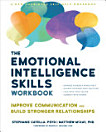
Stephanie Catella, PsyD, is a clinical psychologist with expertise in transdiagnostic cognitive behavioral therapy (CBT) for trauma, anxiety, and building emotional intelligence. She is coauthor of The Emotional Intelligence Skills Workbook, and author of an FDA-cleared prescription digital therapeutic for fibromyalgia. In addition to her private practice, Catella serves as an advisor to HealthTech companies and is a board member of the Bay Area Trauma Recovery Clinical Services.