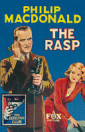
The Rasp: Restored Classics to Go Edition
About this ebook
Discover more
About the author
Philip MacDonald (1899-1980) was a British author and screenwriter renowned for his pioneering contributions to the detective fiction genre. Born into a literary family, MacDonald was the son of Ronald MacDonald and the grandson of the famous writer George MacDonald. This rich literary heritage undoubtedly influenced his career path.MacDonald served in the British cavalry during World War I, an experience that deeply impacted his writing, infusing it with a sense of realism and psychological depth. After the war, he turned to writing full-time, quickly establishing himself as a master of the mystery and thriller genres. His works are celebrated for their intricate plots, well-drawn characters, and innovative use of suspense.One of MacDonald's most significant contributions was his role in shaping the "whodunit" subgenre. His novels often featured complex puzzles that challenged readers to match wits with the detective. This approach influenced contemporary writers and set a high standard for mystery fiction.In addition to his novels, MacDonald was a successful screenwriter in Hollywood, contributing to the golden age of cinema. He adapted several of his own works for the screen and wrote original screenplays, including the Oscar-nominated "The Body Snatcher" (1945).MacDonald was not without controversy. His outspoken views on social issues, particularly his criticism of fascism and totalitarianism, made him a polarizing figure during the politically charged 1930s and 1940s. Yet, his willingness to tackle such themes added a layer of depth to his work, making it resonate with readers and viewers alike.Philip MacDonald's legacy endures through his influence on the detective genre and his contributions to both literature and film. His innovative storytelling and commitment to exploring complex social issues make him a fascinating figure for modern readers.