Enemies at the Gate: The City Walls of Ancient Rome
About this ebook
During the civil wars of the early fourth century AD, the Emperors Severus II and Galerius besieged Rome but failed to gain entry. The wall was heightened in the early fifth century by the Emperor Honorius, the final version possessing ramparts, artillery platforms, and galleries with arrow slits. Neither frontiers nor walls can ever be impermeable, so Rome was famously taken but not held by Alaric in 410 and later by Totila, King of the Ostrogoths. After some neglect, from the seventh or eighth century AD onwards it was the Popes who kept the wall in repair, as attested by the many commemorative stones set in the brickwork. Repairs are ongoing, of course, to this vast ancient monument.
Discover more
About the author
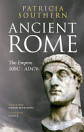
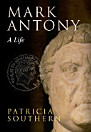
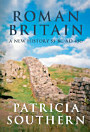
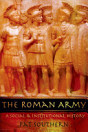
Patricia Southern is an acknowledged expert on the history of ancient Rome. While working full time as a librarian she studied for a BA degree in Ancient History with the external department of the University of London, and for an MPhil in Roman Frontier Studies at the University of Newcastle upon Tyne, where she was Librarian of the Archaeology Department for many years. She has written many books on Roman history and contributed numerous articles on Roman history to the BBC History website and the academic Roman studies journal Britannia.