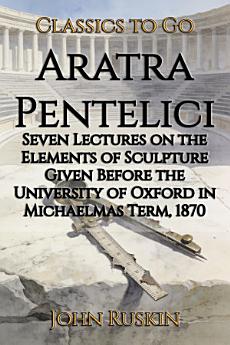
Aratra Pentelici: Restored Classics to Go Edition
About this ebook
Discover more
About the author
John Ruskin was one of the most influential English writers, critics, and thinkers of the nineteenth century, born in London in 1819 and educated at Oxford, where his early promise as a scholar soon expanded into a remarkable public life devoted to art, architecture, social criticism, and moral reflection. Over the course of a long and often restless career, he became famous for his powerful prose on painting, sculpture, and buildings, as well as for his passionate defense of craftsmanship, beauty, and ethical responsibility in an age transformed by industrial power. He wrote with extraordinary force about the spiritual and social value of art, arguing that what people make and admire reveals what they believe about human life itself. His work often returns to themes of labor, nature, truth, education, and the dangers of mechanical progress without moral purpose, ideas that still feel strikingly current in a world still wrestling with inequality, environmental damage, and the meaning of work. Ruskin's legacy lies not only in his influence on Victorian aesthetics and the arts and crafts movement, but also in his insistence that culture should serve human flourishing rather than empty profit or prestige. Readers today continue to find him challenging, urgent, and inspiring, especially those interested in art, architecture, social reform, and the deeper questions of how beauty and justice belong together.