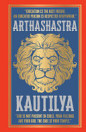
Kautilya’s Arthashastra
About this ebook
The book covers a wide range of subjects, including administration, law, taxation, diplomacy, foreign policy, intelligence systems, trade, agriculture, economic management, warfare, and social organization. Kautilya emphasizes practical governance, ethical leadership, and the importance of a strong and well-managed kingdom.
A landmark work in the history of political thought, Arthashastra remains highly significant for scholars of ancient Indian history, economics, public administration, and political philosophy. Its ideas continue to be studied for their strategic and administrative wisdom.
Discover more
Ratings and reviews
About the author
Kautilya (also known as Chanakya or Vishnugupta, c. 4th century BCE) was an ancient Indian philosopher, economist, political strategist, and royal advisor. He is best known as the author of the Arthashastra, one of the earliest and most influential treatises on politics, economics, administration, and statecraft.
Kautilya played a key role in the establishment of the Mauryan Empire and is traditionally regarded as the chief advisor and mentor of Emperor Chandragupta Maurya. His teachings emphasized effective governance, diplomacy, economic management, law, military organization, and the responsibilities of rulers toward their people.
Often described as the “Indian Machiavelli,” Kautilya's ideas have had a lasting impact on political thought and public administration. His work, the Arthashastra, remains a significant source for understanding ancient Indian governance, economics, and strategic thinking.