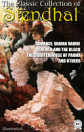
The Chartreuse of Parma: Restored Classics to Go Edition
About this ebook
Discover more
About the author
Stendhal, the pen name of Henri Beyle, was born in 1783 in Grenoble and lived through the upheavals of the French Revolution, the Napoleonic era, and the restless political shifts that followed, experiences that shaped both his sharp intelligence and his skeptical view of society. After a career that included military service, diplomatic work, and extensive travel in Italy, he turned increasingly to writing, becoming one of the great innovators of the modern novel. His fiction is admired for its psychological precision, ironic clarity, and vivid sense of ambition, desire, and self-deception, qualities that helped define literary realism long before it became dominant. He is especially celebrated for portraying characters who struggle between private passion and public convention, revealing how love, vanity, power, and social pressure shape human behavior. His work remains strikingly relevant because it understands the inner life as a place of conflict, performance, and longing, something readers still recognize in contemporary relationships and social ambition. Stendhal's legacy lies in his ability to combine speed, wit, and emotional honesty with a penetrating study of modern identity, making him a foundational figure for later novelists from the realist and psychological traditions. Readers who enjoy elegant prose, sharp observation, political intrigue, and deeply felt portraits of love and ambition will find him especially rewarding.