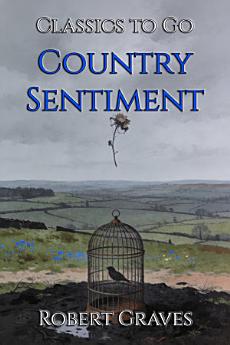
Country Sentiment: Restored Classics to Go Edition
About this ebook
About the author
Robert Graves was a singular English writer whose long life spanned war, exile, scholarship, and a remarkable reinvention of the ancient past for modern readers. Born in 1895 and educated at Charterhouse and Oxford, he came of age in the shadow of the First World War, an experience that left a lasting mark on his imagination and gave his writing its hard-won clarity about violence, memory, and survival. He became known not only as a poet of precision and emotional honesty, but also as a novelist, critic, translator, and mythographer whose range was exceptional even among twentieth-century literary figures. His work often returns to love, loss, the tensions between reason and instinct, the power of myth, and the uneasy relationship between the individual and history. Graves had a gift for making ancient stories feel immediate, and for finding in personal feeling a larger human pattern. That combination gives his writing lasting relevance today, especially for readers drawn to questions of identity, trauma, creativity, and the stories cultures tell themselves to endure. He remains significant as a writer who bridged lyric intimacy and intellectual daring, and who helped shape modern poetry while challenging readers to think deeply about truth, tradition, and imagination. Those who enjoy finely crafted poetry, reflective prose, and literature that is both emotionally direct and intellectually adventurous will find Robert Graves especially rewarding.