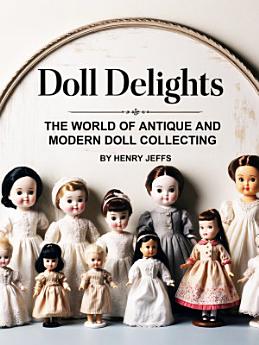
Doll Delights: The World of Antique and Modern Doll Collecting
About this ebook
The world of doll collecting transcends age, gender, and cultural boundaries, uniting individuals through a shared appreciation for craftsmanship, history, and the ineffable quality that transforms molded materials into beloved companions. From the humblest cloth creation to the most elaborate bisque masterpiece, dolls have served as mirrors of their times, reflecting fashion trends, social customs, and artistic movements while simultaneously preserving childhood memories and adult dreams.
The appeal of doll collecting lies not merely in the acquisition of objects, but in the stories they tell and the connections they forge. Each doll carries within its construction the fingerprints of its maker, the dreams of its original owner, and the journey it has traveled through time. For collectors, discovering a rare Jumeau in a dusty antique shop or finding the missing piece to complete a beloved set brings a joy that rivals any treasure hunt.
This fascination with dolls as collectibles has deep psychological roots. Child development experts have long recognized that dolls serve as crucial tools for emotional development, allowing children to practice nurturing behaviors and work through complex feelings. This nurturing instinct doesn't simply disappear in adulthood; instead, it often transforms into the careful preservation and appreciation of these objects that once facilitated such important developmental milestones.