Ideas Have Consequences
Nov 2013 · University of Chicago Press
star
5 reviews
Ebook
202
Pages
family_home
Eligible
info
About this ebook
A foundational text of the modern conservative movement, this 1948 philosophical treatise argues the decline of Western civilization and offers a remedy.
Originally published in 1948, at the height of post–World War II optimism and confidence in collective security, Ideas Have Consequences uses "words hard as cannonballs" to present an unsparing diagnosis of the ills of the modern age. Widely read and debated at the time of its first publication, the book is now seen as one of the foundational texts of the modern conservative movement.
In its pages, Richard M. Weaver argues that the decline of Western civilization resulted from the rising acceptance of relativism over absolute reality. In spite of increased knowledge, this retreat from the realist intellectual tradition has weakened the Western capacity to reason, with catastrophic consequences for social order and individual rights. But Weaver also offers a realistic remedy. These difficulties are the product not of necessity, but of intelligent choice. And, today, as decades ago, the remedy lies in the renewed acceptance of absolute reality and the recognition that ideas—like actions—have consequences.
This expanded edition of the classic work contains a foreword by New Criterion editor Roger Kimball that offers insight into the rich intellectual and historical contexts of Weaver and his work and an afterword by Ted J. Smith III that relates the remarkable story of the book's writing and publication.
Praise for Ideas Have Consequences
"A profound diagnosis of the sickness of our culture." —Reinhold Niebuhr
"Brilliantly written, daring, and radical. . . . It will shock, and philosophical shock is the beginning of wisdom." —Paul Tillich
"This deeply prophetic book not only launched the renaissance of philosophical conservatism in this country, but in the process gave us an armory of insights into the diseases besetting the national community that is as timely today as when it first appeared. [This] is one of the few authentic classics in the American political tradition." —Robert Nisbet
Originally published in 1948, at the height of post–World War II optimism and confidence in collective security, Ideas Have Consequences uses "words hard as cannonballs" to present an unsparing diagnosis of the ills of the modern age. Widely read and debated at the time of its first publication, the book is now seen as one of the foundational texts of the modern conservative movement.
In its pages, Richard M. Weaver argues that the decline of Western civilization resulted from the rising acceptance of relativism over absolute reality. In spite of increased knowledge, this retreat from the realist intellectual tradition has weakened the Western capacity to reason, with catastrophic consequences for social order and individual rights. But Weaver also offers a realistic remedy. These difficulties are the product not of necessity, but of intelligent choice. And, today, as decades ago, the remedy lies in the renewed acceptance of absolute reality and the recognition that ideas—like actions—have consequences.
This expanded edition of the classic work contains a foreword by New Criterion editor Roger Kimball that offers insight into the rich intellectual and historical contexts of Weaver and his work and an afterword by Ted J. Smith III that relates the remarkable story of the book's writing and publication.
Praise for Ideas Have Consequences
"A profound diagnosis of the sickness of our culture." —Reinhold Niebuhr
"Brilliantly written, daring, and radical. . . . It will shock, and philosophical shock is the beginning of wisdom." —Paul Tillich
"This deeply prophetic book not only launched the renaissance of philosophical conservatism in this country, but in the process gave us an armory of insights into the diseases besetting the national community that is as timely today as when it first appeared. [This] is one of the few authentic classics in the American political tradition." —Robert Nisbet
A foundational text of the modern conservative movement, this 1948 philosophical treatise argues the decline of Western civilization and offers a remedy.
Originally published in 1948, at the height of post–World War II optimism and confidence in collective security, Ideas Have Consequences uses ...
Discover more
Ratings and reviews
5 reviews

John Camron
- Flag inappropriate
November 11, 2019
As an author having published in five languages.i wish to highly recommend that his book be read by those with a serious concern about the loss and history of ideas in North America and the EU. His unique style is Not Accademic but rather an armchair conversational mode.
1 person found this review helpful
About the author
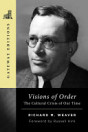
Richard M. Weaver (1910–63) was an American scholar, revered twentieth-century conservative, and professor of English and rhetoric at the University of Chicago. He is the author of several books, including The Ethics of Rhetoric and Visions of Order: The Cultural Crisis of Our Time.
Richard M. Weaver (1910–63) was an American scholar, revered twentieth-century conservative, and professor of English and rhetoric at the University of Chicago. He is the author of several books, including The Ethics of Rhetoric and Visions of Order: The Cultural Crisis of Our Time.
Rate this ebook
Tell us what you think.
Reading information
Smartphones and tablets
Install the Google Play Books app for Android and iPad/iPhone. It syncs automatically with your account and allows you to read online or offline wherever you are.
Laptops and computers
You can listen to audiobooks purchased on Google Play using your computer's web browser.
eReaders and other devices
To read on e-ink devices like Kobo eReaders, you'll need to download a file and transfer it to your device. Follow the detailed Help Center instructions to transfer the files to supported eReaders.