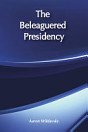
The Beleaguered Presidency
About this ebook
In Wildavsky's view, the growth of political discord since the sixties-opposing views on policy matters and social issues ranged along egalitarian versus hierarchical lines-has created a demarcation between a past presidency in which national leaders had a chance to do well and present and future presidents seeking to adapt to their slim chances of leaving office with their reputations intact.
Wildavsky demonstrates how various recent presidents have attempted to escape or overcome their beleaguered status by such devices as focusing on only a few issues or shedding responsibility (or blame) to other actors, or treating policy problems as if they were essentially administrative in nature. The book analyzes the wide divergence on public policy among Democratic and Republican activists and assesses the efforts of presidents from Nixon through Bush to cope, at times successfully, often not, with these divisions.
The final chapters contrast the ideological presidency of Ronald Reagan with the procedural presidency of George Bush. Both are considered in the context of a governmental system that requires leadership but does not often support it. The final chapter is the first effort to make sense out of George Bush's relative lack of interest in policy and very great interest in procedures for unravelling the puzzles of his presidency. Few books answer the questions raised here or manifest such a wide-ranging cultural approach to the modern presidency. "The Beleaguered Presidency "will be of interest to political scientists, historians, political sociologists, and public sector policymakers.