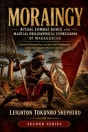
Lathi Khela: The History and Philosophy of Bengali Stick Fighting Martial Arts: Traditional Indian Combat Weapon Methodologies
About this ebook
The book begins by tracing the prehistoric origins of Lathi Khela, demonstrating how a simple survival tool evolved into a sophisticated martial art. It vividly describes how the bamboo staff (lathi) was used by ancient Bengali warriors for self-defense against wild animals and rival tribes, eventually becoming a staple of village militias and a symbol of rural authority. The narrative then takes the reader through the corridors of ancient Indian warfare, connecting Lathi Khela to epic battles described in the Mahabharata and the strategic militias of the Mauryan and Gupta empires. For those seeking South Asian martial arts history, this book provides a crucial link, showing how this folk art was an integral part of the region's military and social fabric for millennia.
Beyond the battlefield, the book explores the profound spiritual and philosophical dimensions of Lathi Khela, making it a valuable resource for anyone interested in martial arts philosophy. Shepherd masterfully explains how the art was shaped by the confluence of major religious traditions. It examines the influence of Hindu philosophy, with concepts of dharma, karma, and the worship of warrior deities like Durga and Hanuman, which infused the practice with a sense of righteous duty. It also delves into the impact of Buddhist principles, such as mindfulness and non-violence, and the mystical influence of Sufism, which transformed the practice into a form of spiritual discipline and devotion. This spiritual tapestry makes Lathi Khela far more than a combat system; it is a path to self-realization.
The technical and cultural heart of the book is equally compelling. Shepherd details the social role of Lathi Khela, showing how it functioned as a community activity, a means of dispute resolution, and a tool for cultural preservation. It examines the complex dynamics of caste and class, demonstrating how the art could both reinforce and challenge social hierarchies, offering a path to respect and authority for marginalized communities. The book also highlights the art's ritualistic elements, from sacred initiation ceremonies to the vibrant festival performances that blend combat with storytelling, music, and dance. This is a deep exploration of how a martial art can become a living expression of a people's identity and values.
Perhaps the most dramatic chapters of the book focus on Lathi Khela's role in India's independence movement. Shepherd reveals how this humble village art was transformed into a powerful instrument of anti-colonial resistance. It documents the stories of notable freedom fighters and Bengali revolutionaries like Masterda Shurjo Sen and Bagha Jatin, who used Lathi Khela to train cadres and inspire nationalist fervor. The book also details how the British, recognizing its threat, attempted to suppress it through laws like the Arms Act of 1878. This history of defiance adds a potent layer to the art's legacy, making it a symbol of resistance and resilience.
The book also covers the modern revival of Lathi Khela, detailing how it is being adapted as a competitive sport, a form of self-defense, and a source of physical fitness and cultural pride. It documents the crucial efforts of dedicated teachers (ustads) to preserve the traditional techniques and oral histories, ensuring that the art is passed on to new generations. This is a story of survival and renewal, showing how an ancient tradition can find new relevance in the modern world by connecting people to their heritage and empowering communities.
In conclusion, Lathi Khela is a monumental work that rescues a vital piece of global martial heritage from obscurity. It is a must-read for martial artists, historians, and anyone fascinated by the intersection of combat, culture, and spirituality. This book is a testament to the enduring power of tradition and the unbreakable spirit of the Bengali people, offering profound lessons in discipline, courage, and the responsible use of strength.
Discover more
About the author
Leighton Tokunbo Shepherd is a 67-year-old martial artist and teacher who has dedicated over five decades to the study and practice of Judo. A long-time resident of Beijing, China, Shepherd's lifelong passion for martial arts extends far beyond physical technique, encompassing the deep philosophical and ethical principles that underpin traditional combat systems. His extensive experience as a competitor, mentor, and reflective practitioner has given him a unique perspective on the universal lessons of resilience, balance, and self-discovery found within martial arts. Now semi-retired, he continues to teach and write, sharing his profound insights with a global audience. Lathi Khela is his latest work, following his acclaimed explorations of Tegumi and Pradal Serey, forming a trilogy on the world's most profound and overlooked martial traditions.