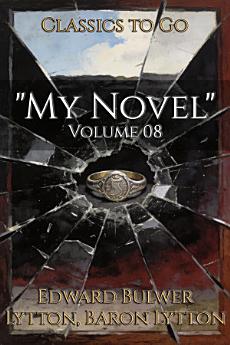
"My Novel": Restored Classics to Go Edition
About this ebook
Discover more
About the author
Edward Bulwer-Lytton, later Baron Lytton, was a prolific Victorian novelist, playwright, poet, and politician whose long career helped shape the popular fiction of the nineteenth century. Born in 1803 into an aristocratic family, he studied at Cambridge, entered public life, and moved with ease between Parliament, literary society, and the expanding world of mass readership. Over decades of writing, he became one of the era's most commercially successful authors, known for sweeping narratives, memorable characters, and a gift for blending social observation with suspense, romance, satire, and philosophical reflection. His fiction often explores ambition, class, power, reform, secrecy, and the uneasy balance between appearance and moral truth, making his work especially resonant in an age still concerned with inequality, public image, and the pressures of social advancement. He also helped popularize the conventions of the modern novel, influencing later writers through his pacing, plotting, and attention to the forces that shape private lives. Though some of his style now feels distinctly Victorian, his enduring legacy lies in his ability to capture a society in motion and to ask how individuals find integrity within it. Readers who enjoy richly plotted historical fiction, social drama, and novels that combine entertainment with ideas will find him especially rewarding.