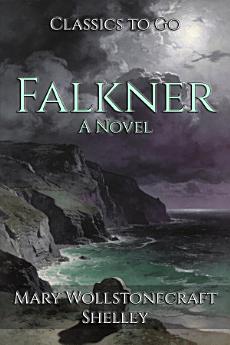
Falkner: Restored Classics to Go Edition
About this ebook
Discover more
About the author
Mary Wollstonecraft Shelley was born in 1797 into a remarkable intellectual family, the daughter of the philosopher William Godwin and the pioneering feminist Mary Wollstonecraft, and she grew up amid radical ideas, literary conversation, and personal loss. As a young woman she eloped with the poet Percy Bysshe Shelley, and the years that followed were marked by travel, love, tragedy, and fierce creative ambition. She became one of the most important writers of the Romantic era, best known for her groundbreaking fiction, but her career extended far beyond a single famous achievement: she wrote novels, travel narratives, essays, and biographies that revealed a sharp mind attentive to science, politics, grief, and the moral consequences of human action. Her work often explores the dangers of unchecked ambition, the fragility of family bonds, the isolation of outsiders, and the struggle to find compassion in a world shaped by loss and power. In her later fiction, including her final novel, she continued to examine identity, inheritance, and the burden of the past, showing a writer deeply interested in how private suffering and public history shape one another. Shelley remains profoundly relevant today because her questions about responsibility, technology, gender, and loneliness feel unmistakably modern, and her sympathy for the vulnerable gives her writing lasting emotional force. She is a foundational figure for readers who care about Gothic literature, early science fiction, feminist thought, and psychologically rich storytelling, and she will especially appeal to anyone drawn to novels that combine suspense, intellect, and deep human feeling.