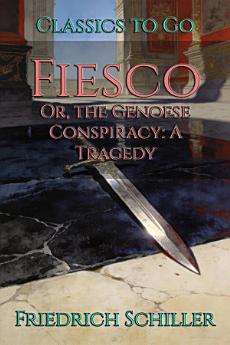
Fiesco: Restored Classics to Go Edition
About this ebook
Discover more
About the author
Friedrich Schiller was one of the great figures of German letters, a poet, playwright, historian, and thinker whose life was shaped by both discipline and rebellion. Born in 1759 in the Duchy of Württemberg, he was trained for a military career before turning to medicine and then, with irresistible force, to literature. His early dramatic success brought him into conflict with authority, and much of his life was marked by a restless search for intellectual freedom, artistic independence, and moral truth. Over time, he became a central voice of German classicism, creating dramas, poems, and historical writings that combined emotional intensity with philosophical depth. His works often explore the struggle between duty and desire, freedom and tyranny, idealism and human weakness, giving them enduring power in periods of political pressure and personal uncertainty alike. Schiller's influence extends far beyond his own century: he helped shape modern German literary culture and inspired later writers, composers, and thinkers with his belief that art could elevate the human spirit and defend dignity against oppression. Today, readers continue to find in him a passionate advocate for liberty, justice, and the transformative power of imagination. He will especially appeal to readers who enjoy tragic drama, big moral questions, and literature that speaks urgently to both the heart and the conscience.