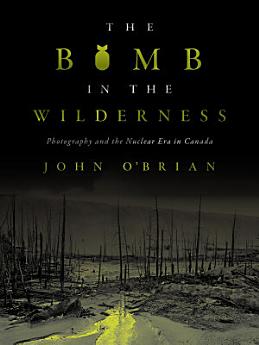
The Bomb in the Wilderness: Photography and the Nuclear Era in Canada
About this ebook
The Bomb in the Wilderness contends that photography is central to how we have represented, interpreted, and remembered nuclear activities since 1945. During the Second World War, Canada was a member of the Manhattan Project, the consortium that developed the atomic bombs dropped on Hiroshima and Nagasaki in 1945. The impact and global reach of Canada’s nuclear programs has been felt ever since. But do photographs alert viewers to nuclear threat, numb them to its dangers, or by some strange calculus accomplish both?
John O’Brian’s wide-ranging and personal account of the nuclear era presents and discusses more than a hundred photographs, ranging from military images to the atomic ephemera of consumer culture. We need this fascinating analysis, to ensure that we do not look away.
Discover more
About the author
John O’Brian is an art historian, writer, and curator. Until 2017, he taught at the University of British Columbia. He has authored or edited twenty books, including Clement Greenberg: The Collected Essays and Criticism – one of The New York Times Notable Books of the Year – and Ruthless Hedonism. His publications on nuclear photography include Strangelove’s Weegee, Camera Atomica, Through Post-Atomic Eyes, and Atomic Postcards: Radioactive Messages from the Cold War. He has organized five exhibitions on nuclear photography, in Copenhagen, London, Toronto, and Vancouver, and is a recipient of the Thakore Award in Human Rights and Peace Studies from Simon Fraser University.


