The thing in the woods
Harper Williams
Jun 2026 · Good Press
Ebook
149
Pages
family_home
Eligible
info
About this ebook
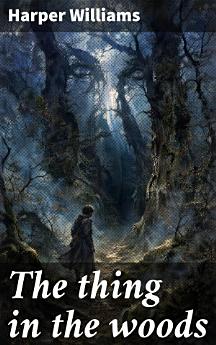
In The Thing in the Woods, Harper Williams crafts a haunting work of atmospheric fiction in which the forest becomes both setting and symbolic terrain, a place where fear, memory, and the unknown converge. The novel draws upon the long tradition of Gothic and folk-horror literature, evoking the uncanny power of wilderness while sustaining psychological tension through restrained, suggestive prose. Rather than relying solely on overt terror, Williams appears to cultivate ambiguity, allowing the "thing" in the woods to function as both menace and metaphor, thereby placing the book in conversation with modern literary horror that privileges mood, implication, and interior unease. Little biographical information may be widely available about Harper Williams, yet the novel suggests an author deeply attentive to the emotional architecture of fear and to the cultural resonance of landscapes. Such writing often emerges from an awareness of how forests inhabit the literary imagination: as spaces of exile, transformation, and primal dread. Williams's handling of suspense and symbolic setting indicates a writer shaped by both classic Gothic inheritances and contemporary interests in psychological and ecological anxiety. This book is especially recommended to readers who value intelligent horror, rich atmosphere, and fiction that lingers beyond its final page. The Thing in the Woods will appeal to admirers of subtle dread and to anyone interested in how horror can illuminate the hidden structures of human experience.
In The Thing in the Woods, Harper Williams crafts a haunting work of atmospheric fiction in which the forest becomes both setting and symbolic terrain, a place where fear, memory, and the unknown converge. The novel draws upon the long tradition of Gothic and folk-horror literature, evoking the u...
Discover more
Rate this ebook
Tell us what you think.
Reading information
Smartphones and tablets
Install the Google Play Books app for Android and iPad/iPhone. It syncs automatically with your account and allows you to read online or offline wherever you are.
Laptops and computers
You can listen to audiobooks purchased on Google Play using your computer's web browser.
eReaders and other devices
To read on e-ink devices like Kobo eReaders, you'll need to download a file and transfer it to your device. Follow the detailed Help Center instructions to transfer the files to supported eReaders.