About this ebook
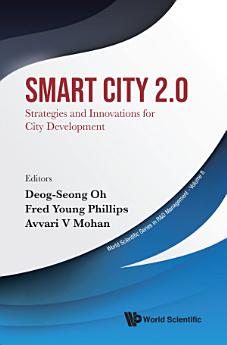
The first generation of smart cities showed the limits of top-down planning, in which cities contracted out design and implementation to IT providers. As residents resented paying high taxes for "smart" urban features that they did not want or use, it became plain that smart cities were not sustainable, and needed to be re-thought. "Smart City 2.0" starts the design process with understanding the needs of human residents. Little has yet been written about smart cities' second wind.
This book offers leading-edge, international perspectives on Smart City 2.0. It offers an overview of the sustainable smart city concept, presents leading experts' latest thinking on strategies for a new generation of smart cities, and showcases eight implementation case studies from seven countries. All chapters are contributed by prominent, leading thinkers and practitioners from a dozen countries, representing both the developed and the developing worlds.
Related Link(s)
- Designing "Human-Centric" Smart Cities
Discover more
Ratings and reviews

- Flag inappropriate