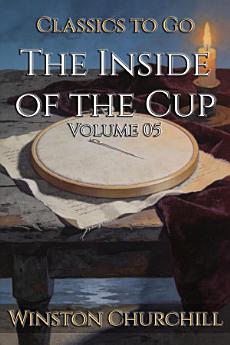
The Inside of the Cup: Restored Classics to Go Edition
About this ebook
Discover more
About the author
Winston Churchill was an American novelist and public intellectual whose life bridged the worlds of literature, politics, and public debate at the turn of the twentieth century. Born in St. Louis in 1871 and educated in naval and military traditions before turning fully to writing, he became one of the best-known popular authors of his era, admired for fiction that combined social observation with moral seriousness. His novels reached a wide readership by exploring the pressures of wealth, religion, reform, marriage, and conscience in a rapidly changing America, and he became especially noted for stories that used domestic life and social institutions to ask larger questions about responsibility and integrity. Churchill's work often reflects a reform-minded spirit, attentive to the tensions between individual desire and communal duty, and that concern still feels current in a world wrestling with inequality, public ethics, and the search for meaning in modern life. Though later generations may know him less than some of his contemporaries, his novels remain important for their clear storytelling, their engagement with social issues, and their belief that literature can illuminate the moral choices behind everyday existence. Readers who enjoy thoughtful fiction about society, character, and conscience will find him especially rewarding.