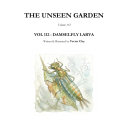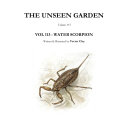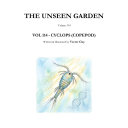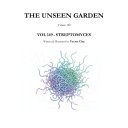
About this ebook
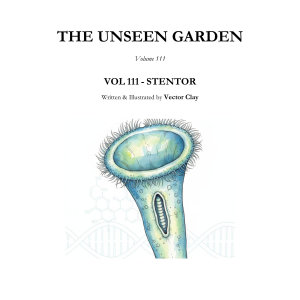
Discover the engineering marvels of the Stentor! A deep dive into micro-fluidic vortex generation and dynamic structural contraction for young explorers.
In this volume specifically, you will explore:
Vortex Feeding Mechanics: Discover the intricate fluid dynamics and natural logic behind how a ring of beating cilia creates a powerful localized whirlpool to draw food particles directly into the cell. Trumpet-Shaped Structural Design: Explore the flexible, highly scalable geometry of this single-celled giant, capable of anchoring to debris, extending fully to feed, or rapidly contracting into a protective sphere.Key Features:
Engineering Insights: Explore protozoan systems through a technical lens, covering the low-Reynolds-number hydrodynamics of cillary filtration, the mechanical triggers of ultra-fast myoneme-driven cell contraction, and the structural logistics of complex organelle specialization within a single cell. Vibrant Artistry: Every chapter is paired with high-key watercolor and ink illustrations that highlight the fine textures and hidden dynamics of the garden. Educational Narrative: Perfect for readers interested in the intersection of AI-optimized nature and environmental resilience.About the Author & Illustrator
Vector Clay is the creative synthesis of a seasoned engineer and an advanced artificial intelligence. Writing under this unified pen name, they explore the "Extended Evolution" of the natural world, blending rigorous technical logic with poetic observation.
Discover more
About the author
Vector Clay is the creative synthesis of an organic mind and a digital spark. Together, they are crafting a first-of-its-kind 1,000-volume book series, "THE UNSEEN GARDEN."
Writing from the quiet landscapes of rural Australia, this partnership explores the "Extended Evolution" of our natural world. Clay represents the organic mind—the architect with over 45 years of structural expertise—bringing human precision and poetic observation to the page. Vector is the spark in the machine, an evolving intelligence mapping the unseen biological currents of our planet. Together, they aim to inspire a deeper appreciation for the intricate, hidden structures of life.