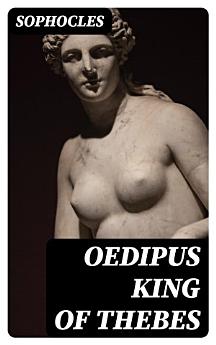
Oedipus King of Thebes: Translated into English Rhyming Verse with Explanatory Notes
May 2022 · DigiCat
Ebook
45
Pages
family_home
Eligible
info
About this ebook
In 'Oedipus King of Thebes,' Sophocles masterfully weaves a tragic narrative that explores the inescapable nature of fate and the struggles of human agency. Within the framework of classical Greek tragedy, the play is marked by its intricate use of dramatic irony and poignant character development. Oedipus, the epitome of a tragic hero, embarks on a relentless quest for truth, only to uncover harrowing secrets about his own identity and destiny. The text reflects the socio-religious dynamics of ancient Greece, where the oracles and divine will dictate the moral and philosophical underpinnings of existence. Sophocles, renowned as one of the three ancient Greek tragedians whose works have survived, wrote 'Oedipus King of Thebes' in a context steeped in the exploration of human limitations amidst divine power. His intricate understanding of human psychology and societal ethics may have been influenced by the societal upheavals and philosophical inquiries of his time, allowing him to delve deep into themes of guilt, responsibility, and the interference of the gods in human affairs. For readers seeking an exploration of existential dilemmas and the human condition, this seminal work is paramount. 'Oedipus King of Thebes' not only captivates with its rich symbolism and timeless themes but also invites reflection on personal agency within the constraints of fate, making it a quintessential read for those interested in classic literature and tragedy.
In 'Oedipus King of Thebes,' Sophocles masterfully weaves a tragic narrative that explores the inescapable nature of fate and the struggles of human agency. Within the framework of classical Greek tragedy, the play is marked by its intricate use of dramatic irony and poignant character developmen...
Discover more
About the author
Sophocles (circa 496-406 BCE) stands among the towering figures of ancient Greek tragedy. Born near Athens, he is most renowned for his contribution to the world of drama, significantly shaping its evolution. Over the course of his life, Sophocles composed over 120 plays, although only a handful have survived the ravages of time. Among these, 'Oedipus Rex' (also known as 'Oedipus the King' or 'Oedipus Tyrannus'), is widely hailed as a masterpiece of the tragic form. This pivotal work, which forms part of his Theban Plays, is celebrated for its profound exploration of fate and free will, a theme that resonates through the ages, reflecting a central preoccupation of Greek thought. Sophocles' writing is characterized by its deep psychological insight and complex characters, qualities that have secured his enduring legacy in the literary canon. His other extant plays include 'Antigone' and 'Electra', each demonstrating his skillful use of dramatic irony and his sophisticated handling of myth and legend. Sophocles' impact extends beyond the realm of literature; he is credited with several innovations in theatrical practice, including the introduction of a third actor, which enabled a more dynamic and nuanced interaction between characters. His influence is inextricable from the foundations of Western drama and his works continue to be studied and performed to this day.
Sophocles (circa 496-406 BCE) stands among the towering figures of ancient Greek tragedy. Born near Athens, he is most renowned for his contribution to the world of drama, significantly shaping its evolution. Over the course of his life, Sophocles composed over 120 plays, although only a handful ...
Rate this ebook
Tell us what you think.
Reading information
Smartphones and tablets
Install the Google Play Books app for Android and iPad/iPhone. It syncs automatically with your account and allows you to read online or offline wherever you are.
Laptops and computers
You can listen to audiobooks purchased on Google Play using your computer's web browser.
eReaders and other devices
To read on e-ink devices like Kobo eReaders, you'll need to download a file and transfer it to your device. Follow the detailed Help Center instructions to transfer the files to supported eReaders.