Corpus Earthling
Sep 2023 · Otbebookpublishing
Ebook
167
Pages
family_home
Eligible
info
About this ebook
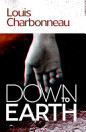
Great page-turner. About a man who thinks he's going crazy because he thinks he can hear 'voices'. He can... They're telepathic non-corporeal beings, intent on taking over the world! He discovers he is he's a prototelepath and can fight them on their own terms, just as well, they're gunning for him, trying to kill him. (Amazon)
Great page-turner. About a man who thinks he's going crazy because he thinks he can hear 'voices'. He can... They're telepathic non-corporeal beings, intent on taking over the world! He discovers he is he's a prototelepath and can fight them on their own terms, just as well, they're gunning for h...
Discover more
About the author
Louis Charbonneau, an American author born on January 20, 1924, in Detroit, Michigan, carved a niche for himself in the realms of science fiction and mystery. His early life was marked by a stint in the U.S. Army Air Forces during World War II, an experience that deeply influenced his later works, infusing them with a sense of urgency and a fascination with the unknown.Charbonneau's literary career took off in the 1950s, a period marked by the Cold War and a burgeoning interest in science fiction as a means to explore societal anxieties and futuristic possibilities. His novels often delved into themes of human survival, technological advancements, and the ethical dilemmas posed by scientific progress. This thematic focus resonated with a generation grappling with the rapid pace of technological change and the looming threat of nuclear annihilation.One of Charbonneau's most significant contributions to literature was his ability to blend suspense with speculative fiction, creating narratives that were both thought-provoking and thrilling. His work influenced contemporary writers by demonstrating how genre fiction could be used to tackle profound philosophical questions. Despite his success, Charbonneau was not without controversy. His stark portrayals of dystopian futures and critiques of governmental overreach sparked debates about the role of science fiction in political discourse. Yet, it was this very boldness that cemented his legacy as a writer unafraid to challenge the status quo.Louis Charbonneau passed away on May 11, 2017, leaving behind a body of work that continues to inspire and provoke thought. His novels remain a testament to the power of speculative fiction to reflect and shape the human experience.
Louis Charbonneau, an American author born on January 20, 1924, in Detroit, Michigan, carved a niche for himself in the realms of science fiction and mystery. His early life was marked by a stint in the U.S. Army Air Forces during World War II, an experience that deeply influenced his later works...
Rate this ebook
Tell us what you think.
Reading information
Smartphones and tablets
Install the Google Play Books app for Android and iPad/iPhone. It syncs automatically with your account and allows you to read online or offline wherever you are.
Laptops and computers
You can listen to audiobooks purchased on Google Play using your computer's web browser.
eReaders and other devices
To read on e-ink devices like Kobo eReaders, you'll need to download a file and transfer it to your device. Follow the detailed Help Center instructions to transfer the files to supported eReaders.